

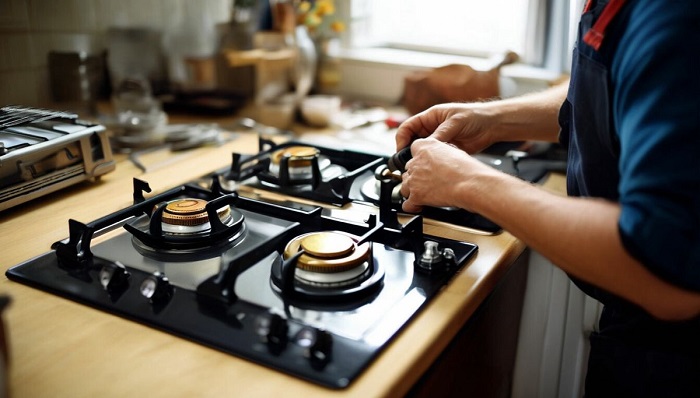
A gas furnace is an essential element of a heating system, providing warmth and comfort in a home. However, over time, various situations can arise due to inefficient operation or equipment failure. Among the most common problems are lack of heat, gas leaks, tripping of automatic protection systems, and malfunctioning electronic components.
Knowing the main causes of breakdowns and how broken furnace fix not only helps you get your furnace up and running quickly but also avoids more serious damage or emergencies. In this article, we’ll discuss the most common gas furnace problems and effective repair methods to ensure the safety and longevity of your equipment.
How to Identify and Replace Worn Burners and Heat Exchangers in Gas Appliances
To determine the need for replacement, pay attention to the characteristic signs of wear and tear and perform a series of diagnostic procedures according to the manufacturer’s instructions.
Determining Wear and the Sequence of Actions
- Visual Inspection: Check for cracks, warped areas, corrosion, or carbon deposits on the burners and heat exchangers. The integrity of the thermal insulation and the absence of deformations are especially important.
- Analysis of Unit Operation: Pay attention to unstable flames, poor heat transfer, increased gas consumption, or frequent shutdowns.
- Efficiency Check: Measure temperatures and compare them to standard values. The presence of soot or constant changes in flame configuration are unacceptable.
- Diagnostics with specialized instruments: Use gas analyzers and pressure gauges to determine contaminant levels and gas pressure, which can affect burner and heat exchanger operation.
Replacing Burners and Heat Exchangers
Before starting work, disconnect the appliance from the power supply and shut off the gas supply. Remove worn components according to the manufacturer’s instructions. When installing new parts, ensure they are securely fastened and oriented correctly.
After replacement, start the oven and check for a stable flame and any gas leaks. If necessary, adjust the settings to ensure safe operation.
Regular inspection and timely replacement of burners and heat exchangers help maintain optimal operation of the gas oven, ensuring safety and fuel economy. If you have any doubts or lack experience, it’s best to contact qualified specialists, who will guarantee high-quality repairs and long-term operation of the device.